
Ratings compare tested thermal and air-leakage performance, but they do not predict a frost-free result in every home. Use whole-unit values for the exact product, then interpret them with humidity, weather, exposure, and installation evidence.
Alongside the specific checks in Ice on the Inside of Windows: What Energy Ratings Can Predict, review ice forming on windows and compare that guidance with measured conditions in this home.
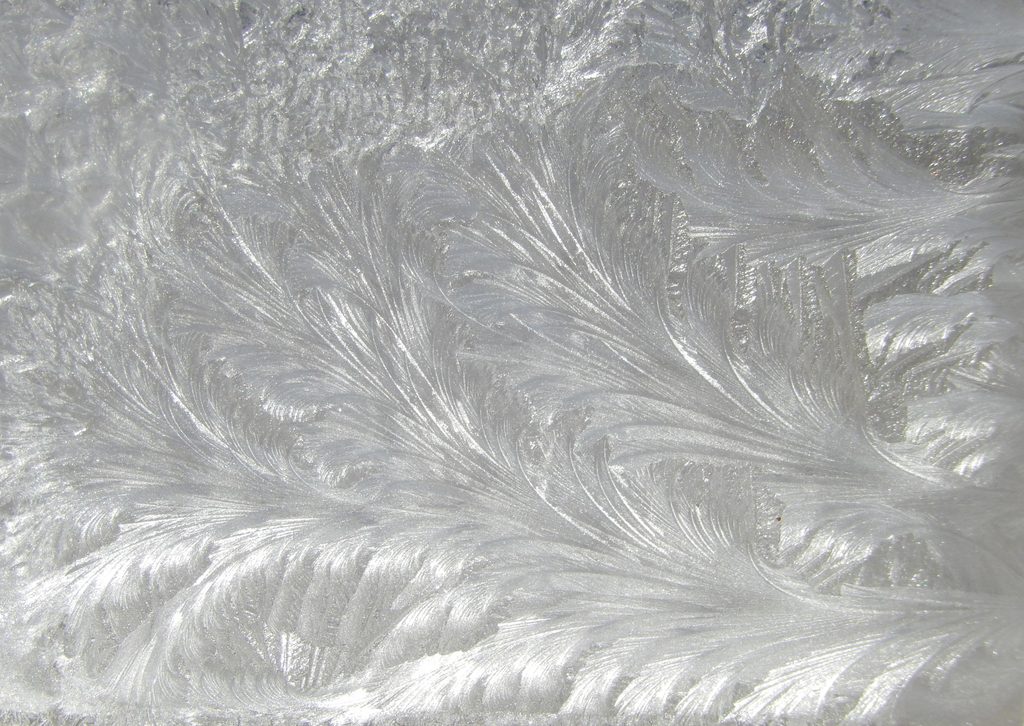
The frost pattern matters
The fastest useful test is a written baseline. The visible crystals are the final step in a moisture process. Warm indoor air reaches colder glass or frame material, loses its capacity to hold vapour, and deposits water. The precise location – centre glass, edge, frame, sash joint, or sealed cavity – is therefore evidence, not decoration.
A winter humidity target needs context. Health Canada’s general household guidance is 30 to 50 percent relative humidity, while its cold-weather advice recognizes that condensation may require a lower setting. Compare the reading, outdoor temperature, ventilation, and window performance instead of treating one number as universal.
Evidence to collect:
- Quote lists centre-of-glass value only.
- Different sash types share one generic rating.
- Edge frost despite a warm glass centre.
- One unit shows air leakage around the operator.
Within the diagnostic path for Ice on the Inside of Windows: What Energy Ratings Can Predict, use location and timing to distinguish window ice troubleshooting from between-pane moisture, uncontrolled air leakage, or a room-specific airflow problem.
Practical response:
- Request U-factor and Energy Rating for the exact configuration.
- Confirm whether data are whole-product or centre-of-glass.
- Ask for certified air-leakage results.
- Record installed size and opening type.
- Compare field frost with humidity and outdoor temperature.
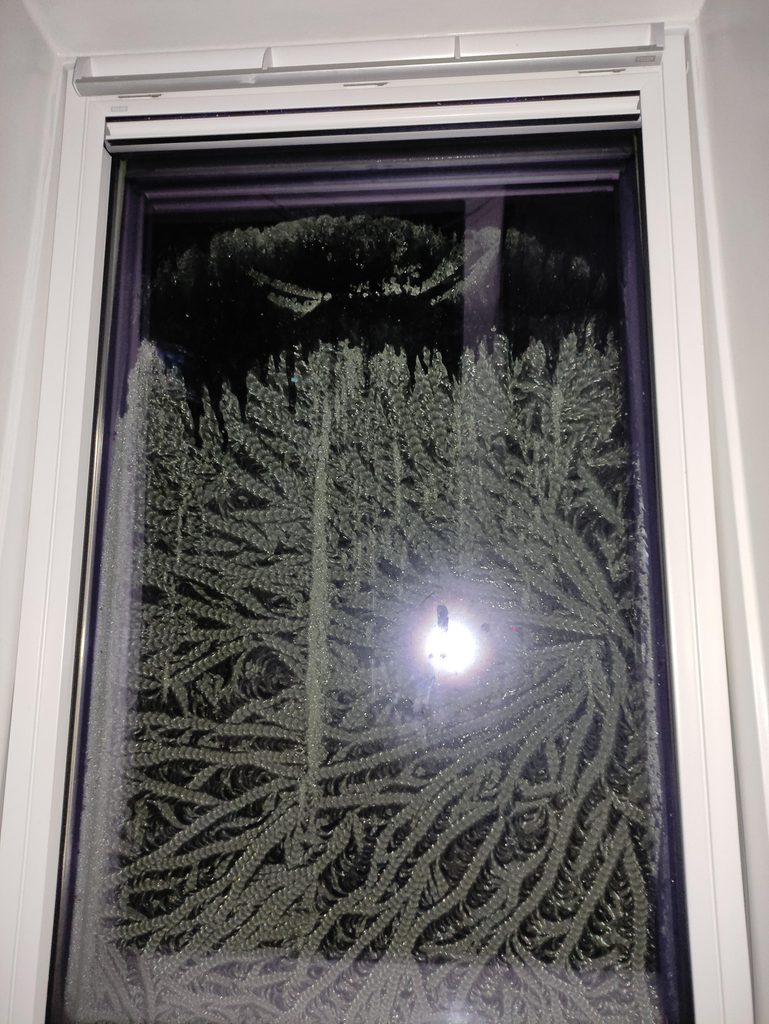
Illustrative scenario
Illustrative scenario: a large casement and a small fixed unit use the same glass package. The fixed unit stays clear while the casement frosts at the lower corner. Product size, frame, hardware, and air leakage make a generic glass value insufficient.
What not to assume
Do not convert R-value, U-factor, Energy Rating, and condensation resistance into one homemade score. They describe different aspects of performance and must be read using the test method and unit stated by the source.
When professional help makes sense
Ask the manufacturer or an independent energy advisor to confirm rating applicability when quote data are incomplete. Request installation review when field performance diverges sharply from comparable units. For a review centred on Ice on the Inside of Windows: What Energy Ratings Can Predict, bring photos and measurements plus the reference steps for preventing ice on the inside of windows; the visit can then begin with evidence rather than a generic replacement assumption.
Frequently asked questions
Is lower U-factor always better in Canada?
Lower U-factor means lower heat transfer, but climate, solar gain, comfort, size, operation, and installation also matter.
What does centre-of-glass omit?
It omits the frame, sash, spacer, edge effects, and installation – often the coldest places.
Can a highly rated window frost?
Yes, during extreme cold or high indoor humidity, especially at edges or where airflow is blocked.
Suggested internal links
Choosing Window Frames for Heat Retention
Impact of Window Design on Heat Loss and Gain
Authoritative sources
Natural Resources Canada – Ratings and certification
Natural Resources Canada – Condensation
Natural Resources Canada – Keeping the Heat In, Section 9